

Teams, Accountability, And Doing This With Friends
- Blog
- Teams, Accountability, And Doing This With Friends
Teams, Accountability, And Doing This With Friends
Friends can make the system stickier, but the most useful social layer supports personal accountability instead of replacing it.
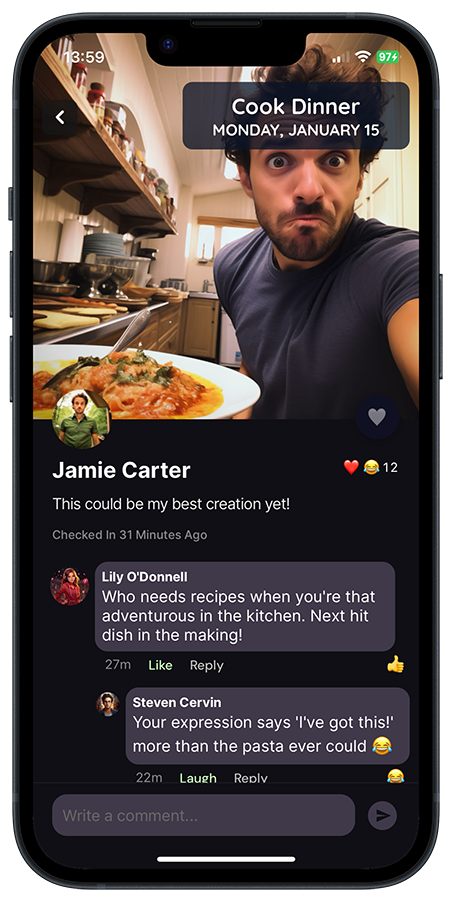
Doing hard things with friends can help.
That is obvious in gyms, running clubs, study groups, and almost any environment where consistency matters. People show up differently when they know others are showing up too.
But social accountability is easy to get wrong.
The wrong version becomes performance
A lot of social products assume that visibility is the answer.
Make it public. Rank people. Expose the misses. Add enough comparison and the behavior will improve.
That approach can create short-term activity, but it often comes with ugly side effects:
- shame
- comparison anxiety
- shallow motivation
- behavior aimed at appearances rather than real follow-through
That is not the kind of accountability most people actually need.
The right version adds momentum, not pressure theater
The best social layer gives the week more energy without taking ownership away from the individual.
That means the core promise stays personal:
"I am still trying to keep promises to myself."
The team simply changes the environment around that promise.
Friends can create:
- a sense of shared effort
- gentle pressure to stay engaged
- a stronger reason to come back next week
- a natural invitation loop
That is powerful without becoming performative.
Privacy matters more than most social products admit
People often want support without exposure.
They may be willing to show that they completed two out of three goals, but not willing to show every private commitment behind the number.
That distinction matters.
If the product forces too much visibility, people either stop using it honestly or stop using it at all.
Better social design respects the line between:
- visible progress
- private goals
That is one reason a team can work well alongside a coach. The team sees enough to create momentum. The coach handles the deeper, more private accountability work.
Teams should reinforce the week, not replace it
A friend group alone is rarely enough.
Without a clear weekly structure, social features can turn into:
- casual updates
- vague encouragement
- shallow competition
The weekly cycle gives the team something real to reinforce. Everyone is still working through their own commitments, but the shared rhythm makes the system more alive.
The strongest social value is often retention
One reason teams matter is simple: leaving a solo tool is easy.
Leaving something that now includes other people feels different.
That does not mean the product should become social-first. It means the social layer can deepen the cost of disengagement in a healthy way when it is built around real shared momentum.
Friends can help the system stick, but the coach should stay central
This is the balance that matters.
The coach provides:
- personal accountability
- private reflection
- pattern recognition
The team provides:
- energy
- belonging
- shared rhythm
- invites
Together, those two layers are stronger than either one alone.
But if the team becomes the headline, the product can drift away from its core promise.
The goal is still the same:
keep promises to yourself.
Friends just help make the environment around that promise stronger.